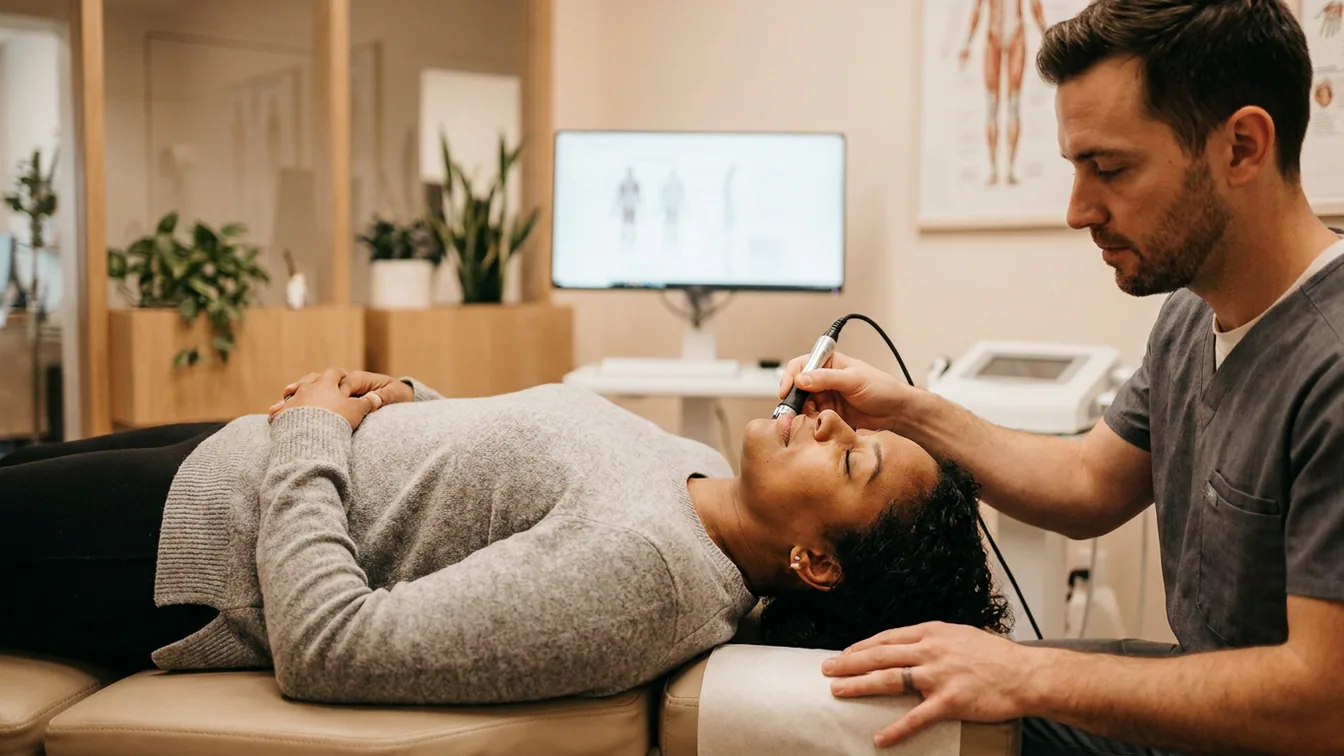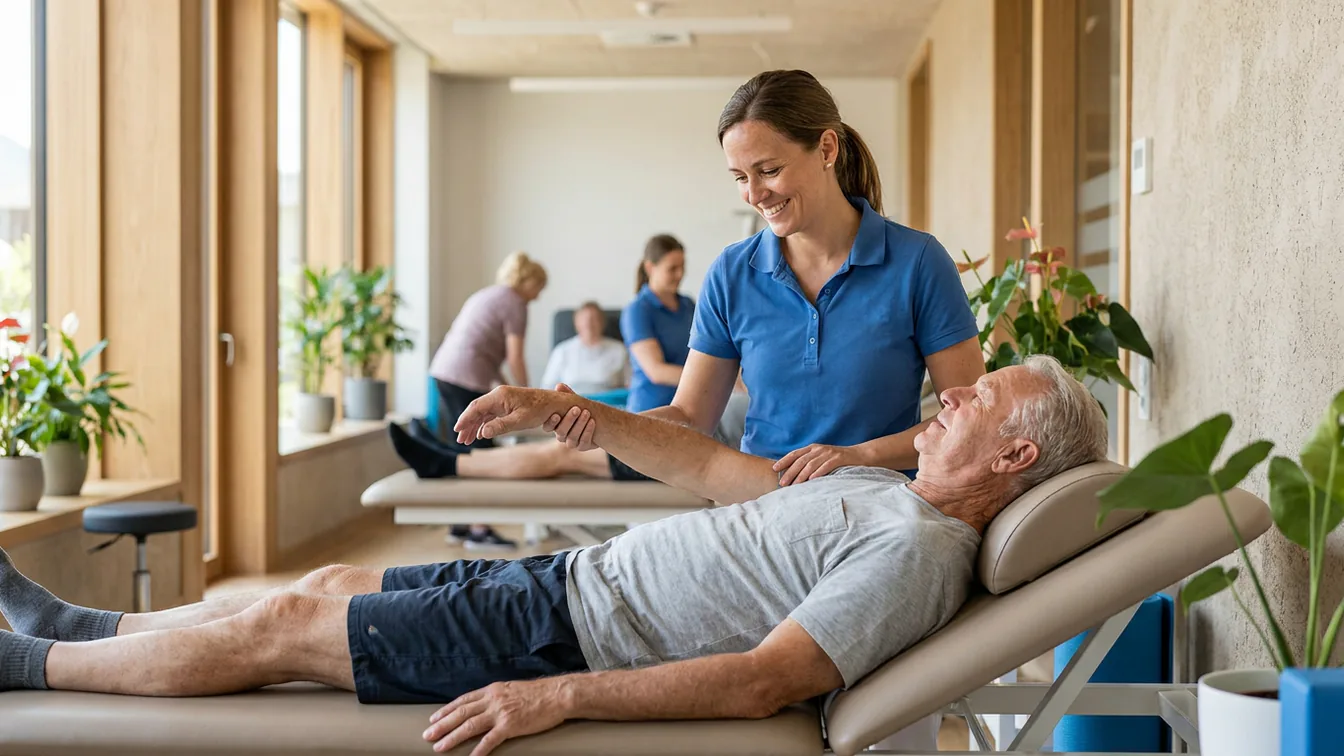
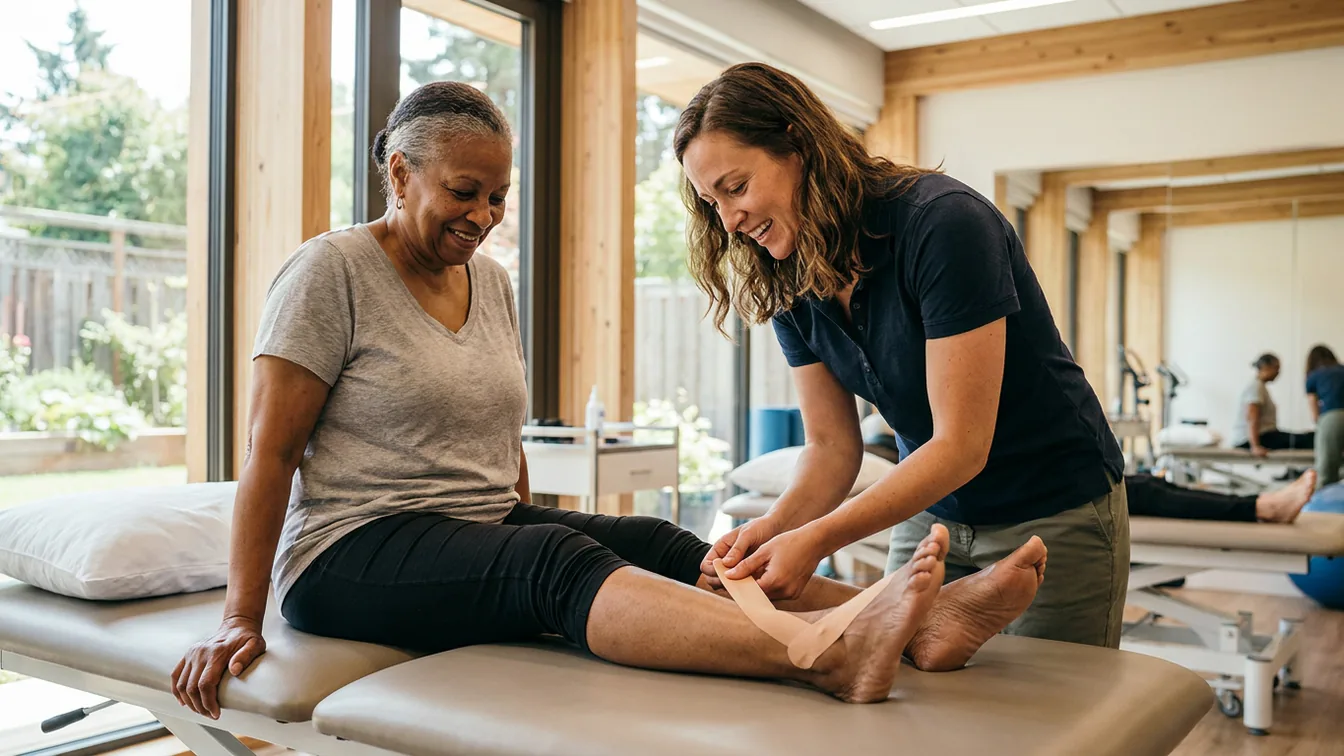
If you live with tingling, burning, numbness, or sharp electrical sensations in your hands or feet, you know how much neuropathy can disrupt daily life. Simple things like walking through the grocery store, sleeping through the night, or holding a coffee cup can become frustrating. Many people come to us tired of managing symptoms with medication alone and hoping for a gentler, drug-free option. One approach gaining attention is kinesio taping, a technique that provides gentle, ongoing support to the body while you go about your day.
Let's be clear from the start: kinesio taping is not a cure for neuropathy. But when it is used as part of a broader care plan, many patients find it helps calm symptoms, improve body awareness, and support the kind of lasting relief that comes from addressing the whole picture. Here is what you should know.
Understanding Neuropathy and Why It Is So Frustrating
Peripheral neuropathy happens when the nerves outside the brain and spinal cord are damaged or irritated. These nerves carry messages between your central nervous system and your muscles, skin, and organs. When the signals get disrupted, you may notice:
- Tingling or a pins-and-needles feeling
- Burning or stabbing pain, often worse at night
- Numbness in the toes, feet, fingers, or hands
- Muscle weakness or cramping
- Balance problems or a feeling of unsteadiness
- Extra sensitivity to touch
There are many possible causes. Diabetes is one of the most common, but neuropathy can also stem from nerve compression, spinal issues, past injuries, vitamin deficiencies, certain medications, autoimmune conditions, or repetitive strain. Sometimes the cause is never identified.
This is why a proper evaluation matters so much. Neuropathy symptoms can overlap with other conditions, and the right approach depends on what is driving the problem. Whitney residents who have been told to just live with their symptoms often feel relieved to learn that there are supportive, conservative options worth exploring.
How Kinesio Taping Works for Neuropathy Symptoms
Kinesio tape is a thin, stretchy, cotton-blend tape with a medical-grade adhesive. Unlike rigid athletic tape, which restricts movement, kinesio tape is designed to move with your body. It is applied directly to the skin in specific patterns based on your symptoms and goals.
Researchers are still working to fully understand how it works, and the evidence for neuropathy specifically is still developing. Still, several mechanisms are commonly proposed, and many patients report noticeable benefits.
Sensory Input and Pain Modulation
Your skin is packed with sensory receptors. When kinesio tape gently lifts and stimulates the skin, it provides a steady stream of light sensory input. This may help the nervous system interpret signals differently, which could dial down the burning or hypersensitive sensations some people experience. This idea is often described as the gate control theory of pain, in which non-painful input competes with pain signals.
Improved Circulation and Reduced Swelling
The tape's slight lifting effect on the skin may create small spaces between the skin and underlying tissue. Practitioners believe this can support lymphatic and blood flow in the area. Better circulation and less swelling may take pressure off irritated tissues, and that can make a difference if compression is contributing to nerve symptoms.
Better Body Awareness and Posture
Neuropathy often dulls the sense of where your feet or hands are in space, which is called proprioception. The tape acts as a gentle cue, reminding your body to move and position itself more effectively. For people with foot numbness or unsteady gait, that extra feedback can add confidence with each step.
Support for Surrounding Muscles and Joints
When nerves are irritated, nearby muscles often tighten or weaken to compensate. Taping can offer light support to those muscles without locking down the joint. Easing muscle tension around a nerve pathway may help reduce secondary aches and strain.
Because the tape stays in place for several days, it keeps working between visits. It provides continuous support during work, errands, and sleep, which is one reason patients find it a useful tool for building lasting relief rather than getting only short-lived comfort.
Making Relief Last: Practical Tips and Common Misconceptions
Taping works best when it is one piece of a thoughtful plan. At AllCare Health Clinics, we look at the whole person, including spinal alignment, nerve pathways, movement patterns, lifestyle, and overall health. Here is how to get the most out of it.
Practical Tips for Success
1. Get a proper assessment first. The tape pattern should match your symptoms. Applying it randomly from a video may not help and could irritate your skin.
2. Keep the tape clean and dry. Most applications last three to five days. Pat the area dry after showering instead of rubbing it, and avoid lotions or oils on the skin before application.
3. Remove it gently. Slowly peel the tape back in the direction of hair growth while pressing the skin down. Baby oil can help loosen stubborn adhesive.
4. Watch your skin. Remove the tape promptly if you notice significant itching, redness, blistering, or increased pain. This matters especially if you have diabetes or reduced sensation, because you may not feel irritation as quickly as others would.
5. Pair taping with movement. Gentle walking, stretching, and prescribed exercises help nerves and surrounding tissues stay healthy. Even a short stroll through town or a relaxed visit to Fort Fisher Park can support circulation, as long as it is comfortable for you.
6. Support your nerves from the inside. Balanced blood sugar, adequate hydration, nutritious meals, quality sleep, and stress management all play a role in nerve health. Ask your healthcare provider whether any nutritional deficiencies could be contributing to your symptoms.
7. Check your feet daily. If numbness affects your feet, look for cuts, blisters, or sore spots every day, and wear well-fitting, supportive shoes.
Common Misconceptions
Myth: Kinesio taping cures neuropathy. Taping is a supportive therapy. It may help ease symptoms and improve function, but it does not reverse nerve damage on its own. Lasting improvement usually comes from addressing underlying contributors and combining several approaches.
Myth: The tape is only for athletes. You may have seen kinesio tape on Olympic competitors, and Central Texas outdoor enthusiasts certainly use it after hiking and training. But it is just as useful for everyday adults dealing with chronic discomfort.
Myth: If it feels better, you do not need an evaluation. Temporary comfort can hide a problem that needs attention. New or worsening numbness, weakness, or loss of balance deserves a professional look.
Myth: All tape and all applications are the same. Technique, tension, direction, and placement all matter. A trained provider tailors the application to your needs.
Myth: Natural means risk-free. Kinesio taping is generally considered safe, but some people have adhesive sensitivity. Those with fragile skin, open wounds, or certain circulation problems should be especially careful and talk with a provider first.
Setting Realistic Expectations
Responses vary. Some patients notice less burning or tingling within the first few days of taping, while others see gradual changes over several weeks as part of a larger care plan. Others may find it does not help much. That is useful information too, and it lets us adjust your plan instead of continuing something that is not working. Keeping a simple symptom journal, noting your pain level, sleep quality, and daily activities, can help you and your provider see what is making a difference.
Seek prompt medical attention if you experience sudden weakness, loss of bladder or bowel control, rapidly spreading numbness, or numbness following a significant injury. These can signal conditions that need urgent care.
Take the Next Step Toward Comfort in Whitney
Living with neuropathy can feel isolating, but you do not have to figure it out alone. Whether you live in Whitney or Clifton, our team is here to listen, evaluate your symptoms, and build a plan around your health goals. Our Whitney clinic takes a gentle, conservative approach that may include kinesio taping, chiropractic care, movement strategies, and lifestyle guidance to help you feel more like yourself again.
At AllCare Health Clinics, we believe relief should be understandable, personalized, and sustainable. If you have been searching for natural options to help manage nerve discomfort here in Texas, we would be glad to talk with you about whether this supportive approach is right for you.
Ready to take the next step? Contact us to schedule a consultation at 211 N. Brazos St. Ste. D, Whitney, Texas 76692. Your nerves carry you through every day, and they deserve thoughtful, compassionate care.