Microneedling has gained tremendous popularity in recent years as a natural, minimally invasive treatment option for various skin and wellness concerns. However, with its growing popularity comes a flood of misinformation and misconceptions that can leave Whitney residents confused about what this treatment actually involves. As more people seek holistic health solutions, it's crucial to separate fact from fiction when it comes to microneedling.
Whether you're considering microneedling for the first time or you've heard conflicting information about this treatment, understanding the truth behind common myths can help you make an informed decision about your wellness journey. Many of these misconceptions stem from outdated information, confusion with other treatments, or simply word-of-mouth misinformation that spreads throughout communities like Whitney and Clifton.
Let's explore and debunk some of the most persistent myths surrounding microneedling, providing you with accurate, science-based information to guide your healthcare decisions.
Myth 1: Microneedling is Extremely Painful and Damaging
One of the most common myths about microneedling is that it's an excruciating procedure that causes significant damage to the skin. This misconception likely stems from the fact that the treatment involves tiny needles, which naturally makes people assume it must be painful.
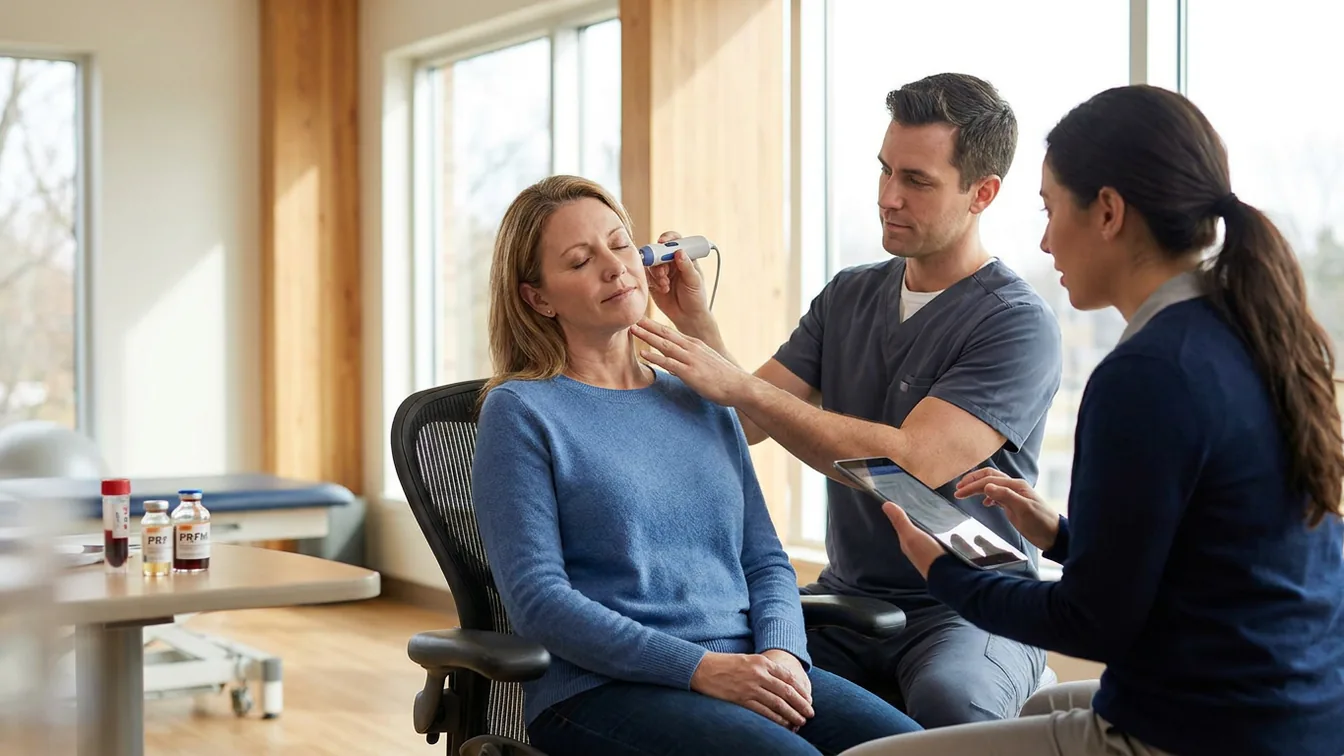
The reality is quite different. Professional microneedling, when performed by trained practitioners, involves the use of very fine needles that create microscopic channels in the skin. Most patients describe the sensation as similar to light sandpaper being moved across the skin, or a mild tingling feeling. Many wellness clinics, including those serving the Whitney, Texas area, use topical numbing agents to minimize any discomfort during the procedure.
The "damage" that microneedling creates is actually controlled micro-injuries that stimulate the body's natural healing response. This process encourages collagen production and cellular renewal, which are beneficial for skin health and overall wellness. The treatment works with your body's natural healing mechanisms rather than against them, making it a popular choice for those seeking natural healthcare solutions.
Patients often report that any mild discomfort experienced during the treatment subsides quickly, and many find the procedure quite tolerable. The key is working with experienced professionals who understand proper technique and patient comfort measures.
Myth 2: Microneedling Results are Immediate and Permanent
Another prevalent myth suggests that microneedling provides instant, permanent results after just one session. This unrealistic expectation often leads to disappointment and the false belief that the treatment doesn't work.
Microneedling is a process that works by stimulating your body's natural healing and regeneration processes. Just as your body takes time to heal from any injury, the beneficial effects of microneedling develop gradually over several weeks following treatment. Most patients begin to notice improvements in skin texture and appearance within 2-4 weeks after their first session, with continued improvement over the following months.
Regarding permanency, it's important to understand that microneedling results are long-lasting but not permanent. The treatment stimulates collagen production and cellular turnover, which can provide benefits for months or even years. However, the natural aging process continues, and factors like sun exposure, lifestyle choices, and genetics will continue to affect your skin over time.
For optimal and sustained results, most practitioners recommend a series of treatments spaced several weeks apart, followed by occasional maintenance sessions. This approach allows residents of Whitney and surrounding areas to maintain the benefits of their microneedling treatments over the long term while working with their body's natural processes.
Myth 3: At-Home Microneedling Devices are Just as Effective as Professional Treatment
With the rise of at-home beauty devices, many people believe that DIY microneedling tools can provide the same benefits as professional treatments. This myth has been particularly persistent as these devices become more accessible and affordable.
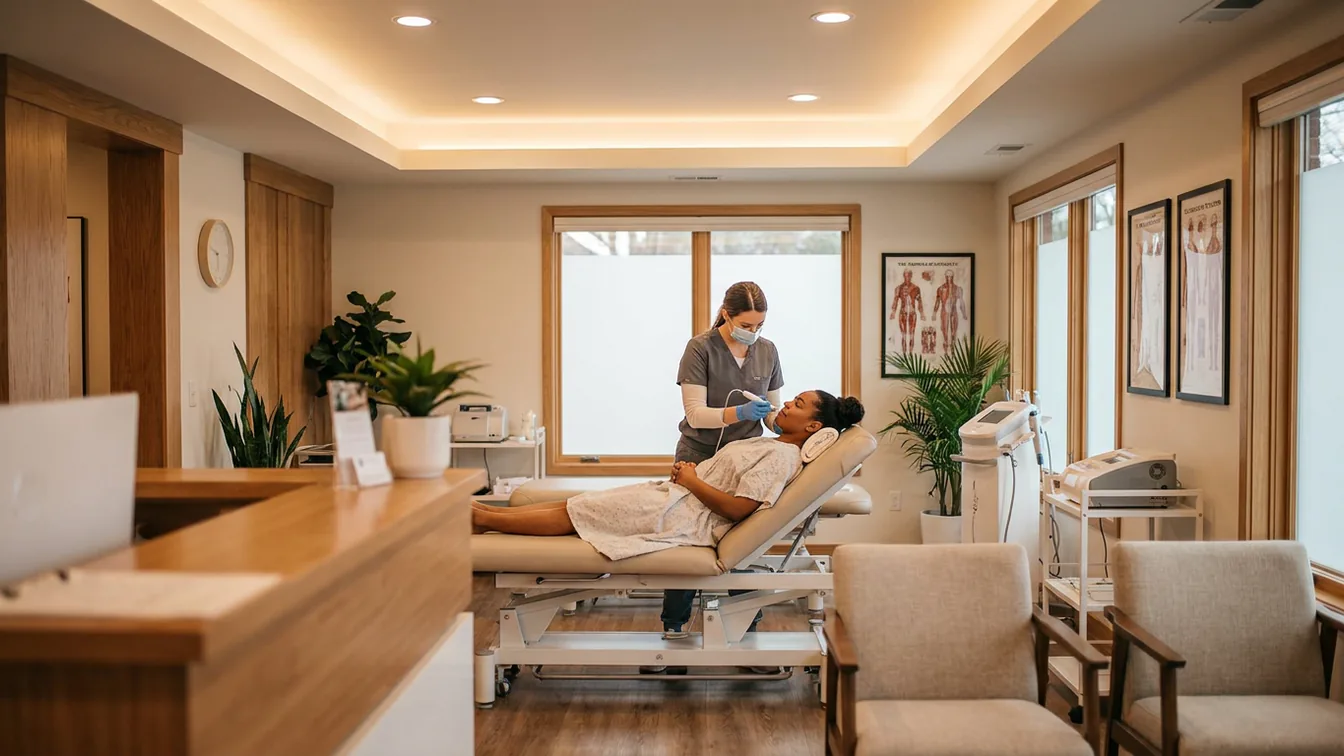
While at-home microneedling devices do exist, there are significant differences in effectiveness, safety, and results compared to professional treatments. Professional microneedling devices used in clinical settings can penetrate deeper into the skin with precise control, typically reaching depths of 0.5mm to 3mm depending on the treatment goals. At-home devices are generally limited to much shallower penetration (usually 0.2-0.3mm) for safety reasons.
Professional treatments also benefit from the expertise of trained practitioners who can assess your individual skin needs, adjust treatment parameters accordingly, and ensure proper sterilization and safety protocols. They can also combine microneedling with other complementary treatments or serums that may not be available for home use.
Moreover, professional-grade equipment undergoes rigorous testing and meets strict medical device standards. The sterile environment of a professional clinic significantly reduces the risk of infection or complications that could occur with improper home use.
For Whitney residents considering microneedling, consulting with qualified professionals ensures you receive the most appropriate treatment for your specific needs while maximizing safety and effectiveness.
Myth 4: Microneedling is Only for Facial Skin Concerns
Many people associate microneedling exclusively with facial treatments for anti-aging or acne scarring. This limited understanding has created the myth that microneedling is only beneficial for facial skin concerns.
In reality, microneedling can be effectively used on various parts of the body for multiple purposes. The treatment has shown promising results for addressing stretch marks, surgical scars, and other skin texture issues on areas such as the abdomen, thighs, arms, and back. Some practitioners also use specialized microneedling techniques for scalp treatments to promote hair growth.
Beyond cosmetic applications, microneedling has been explored for its potential benefits in enhancing the absorption of topical medications and nutrients. This application aligns well with holistic health approaches that focus on supporting the body's natural healing processes.
The versatility of microneedling makes it an attractive option for individuals seeking comprehensive wellness solutions. Whether you're dealing with sun damage from spending time at Lake Whitney, sports-related scars, or other skin concerns, microneedling might offer benefits beyond traditional facial treatments.
The treatment's ability to stimulate natural collagen production and improve skin texture can be beneficial wherever these improvements are desired on the body. This broader application makes microneedling a valuable tool in comprehensive wellness care.
Making Informed Decisions About Microneedling
Now that we've debunked these common myths about microneedling, you're better equipped to make informed decisions about whether this treatment might be right for your wellness goals. Understanding the realities of microneedling – including its benefits, limitations, and proper application – helps set realistic expectations and ensures you get the most value from any treatments you choose to pursue.
Remember that individual results can vary based on factors such as age, skin type, lifestyle, and specific concerns being addressed. What works well for Lake Whitney boaters dealing with sun exposure might be different from what's most effective for someone addressing acne scarring or aging concerns.
The key to successful microneedling lies in working with qualified professionals who can assess your individual needs, explain the process thoroughly, and develop a treatment plan tailored to your specific goals. They can also help you understand how microneedling might fit into a broader wellness strategy that includes proper skincare, nutrition, and lifestyle factors.
If you're considering microneedling as part of your natural healthcare approach, don't let myths and misinformation guide your decisions. Instead, seek out evidence-based information and professional guidance to determine whether this treatment aligns with your wellness goals.
At AllCare Health Clinics, located at 211 N. Brazos St. Ste. D, Whitney, Texas 76692, our experienced team is committed to providing accurate information and personalized care to help you make the best decisions for your health and wellness journey. We encourage you to schedule a consultation to discuss your specific concerns and learn more about how microneedling and other natural treatment options might benefit you.